
Blog

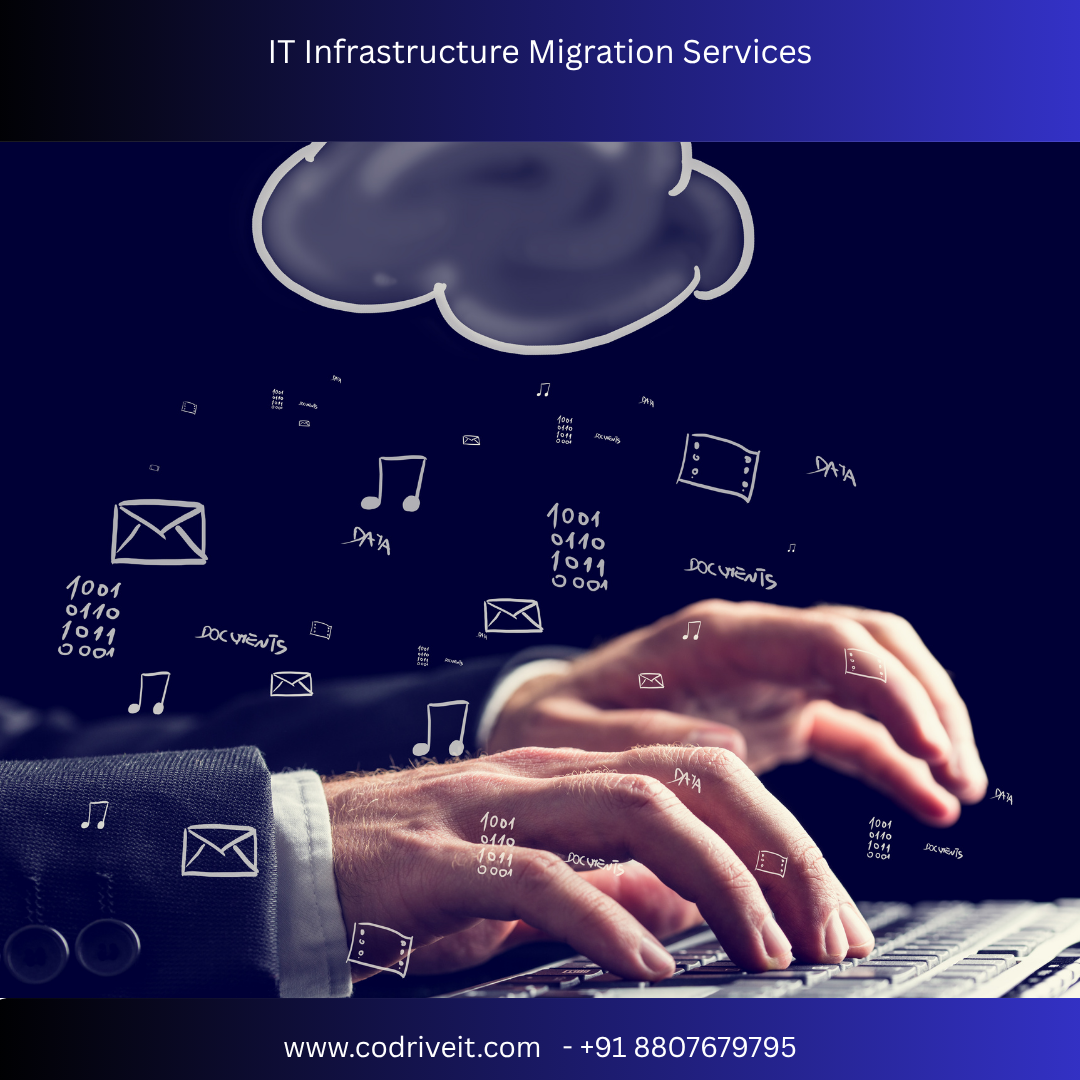
In today’s rapidly evolving digital landscape, businesses must modernize their systems to remain competitive. IT Infrastructure Migration Services play a crucial role in helping organizations transition from outdated systems to modern, scalable, and secure environments—without disrupting operations.

This SEO-optimized guide covers everything you need to know about IT infrastructure migration, including its benefits, process, challenges, and best practices.

What Are IT Infrastructure Migration Services?

IT Infrastructure Migration Services involve moving an organization’s entire IT environment—including servers, applications, databases, networks, and storage—from one setup to another. This could include:

  • On-premise to cloud migration
  • Data center relocation
  • Legacy system modernization
  • Hybrid or multi-cloud transitions

These services ensure that infrastructure upgrades are executed efficiently, securely, and with minimal downtime.

Why IT Infrastructure Migration Is Important

Modern businesses require flexible and scalable IT environments. Migration services help organizations:

  • Improve system performance
  • Reduce operational costs
  • Enhance data security
  • Enable remote and hybrid work
  • Support business growth and scalability

Without proper migration strategies, businesses risk downtime, data loss, and security vulnerabilities.

Key Benefits of IT Infrastructure Migration Services

1. Improved Performance

Modern infrastructure offers faster processing and better system reliability.

2. Cost Optimization

Reduce expenses related to hardware maintenance and energy consumption.

3. Scalability

Easily scale resources based on business needs.

4. Enhanced Security

Modern platforms provide advanced security features and compliance support.

5. Business Continuity

Minimize disruptions during migration with structured planning.

6. Future-Ready Systems

Adopt emerging technologies like AI, cloud computing, and automation.

Types of IT Infrastructure Migration

1. Cloud Migration

Moving infrastructure to cloud platforms such as AWS, Azure, or Google Cloud.

2. Data Center Migration

Relocating servers and infrastructure to new physical or virtual environments.

3. Server Migration

Transferring workloads between servers or environments.

4. Network Migration

Upgrading or moving network configurations and systems.

5. Application & Database Migration

Migrating enterprise applications and databases to modern platforms.

IT Infrastructure Migration Process

1. Assessment & Planning

  • Evaluate existing infrastructure
  • Identify dependencies and risks
  • Define migration goals

2. Strategy Development

  • Choose migration approach (lift-and-shift, re-platforming, etc.)
  • Select tools and technologies
  • Create timeline and roadmap

3. Infrastructure Preparation

  • Set up target environment
  • Configure security and networking
  • Prepare backup systems

4. Migration Execution

  • Transfer workloads and data
  • Monitor system performance
  • Ensure minimal downtime

5. Testing & Validation

  • Verify system functionality
  • Check data integrity
  • Perform performance testing

6. Deployment & Optimization

  • Go-live with new infrastructure
  • Monitor performance
  • Optimize systems for efficiency

Common Challenges in IT Infrastructure Migration

ChallengeSolution
Downtime RisksUse phased migration strategy
Data LossImplement backup and recovery plans
Compatibility IssuesConduct pre-migration testing
Security ConcernsUse encryption and compliance frameworks
Complex Legacy SystemsUse expert migration services

Technologies & Tools Used

  • AWS Migration Hub
  • Azure Migrate
  • Google Cloud Migration Tools
  • VMware vMotion
  • Docker & Kubernetes
  • Automation and monitoring tools

Who Needs IT Infrastructure Migration Services?

These services are essential for:

  • Enterprises upgrading legacy systems
  • Startups scaling operations
  • E-commerce platforms handling high traffic
  • Financial and healthcare institutions
  • IT service providers managing client infrastructure

Best Practices for Successful Infrastructure Migration

  • Conduct a detailed system audit
  • Define clear migration objectives
  • Use automation tools to reduce errors
  • Test thoroughly before deployment
  • Maintain backup and rollback strategies
  • Monitor systems post-migration

Future Trends in IT Infrastructure Migration (2026)

  • Multi-cloud and hybrid cloud adoption
  • AI-driven infrastructure optimization
  • Zero-downtime migration strategies
  • Edge computing integration
  • Increased focus on cybersecurity

Conclusion

IT Infrastructure Migration Services are essential for businesses aiming to modernize their technology stack and stay competitive in a digital-first world. With the right strategy and expert support, organizations can achieve seamless migration, improved performance, and long-term scalability.
About author

Minda

super admin have all rights


Comments