
Blog

In today’s fast-paced digital landscape, businesses must continuously evolve by upgrading systems, adopting cloud technologies, and modernizing infrastructure. However, managing migration internally can be complex and risky. This is where End-to-End Managed Migration Services become essential.

This SEO-optimized guide explains everything you need to know about fully managed migration services—covering benefits, process, use cases, and why businesses are increasingly adopting this approach.

What Are End-to-End Managed Migration Services?

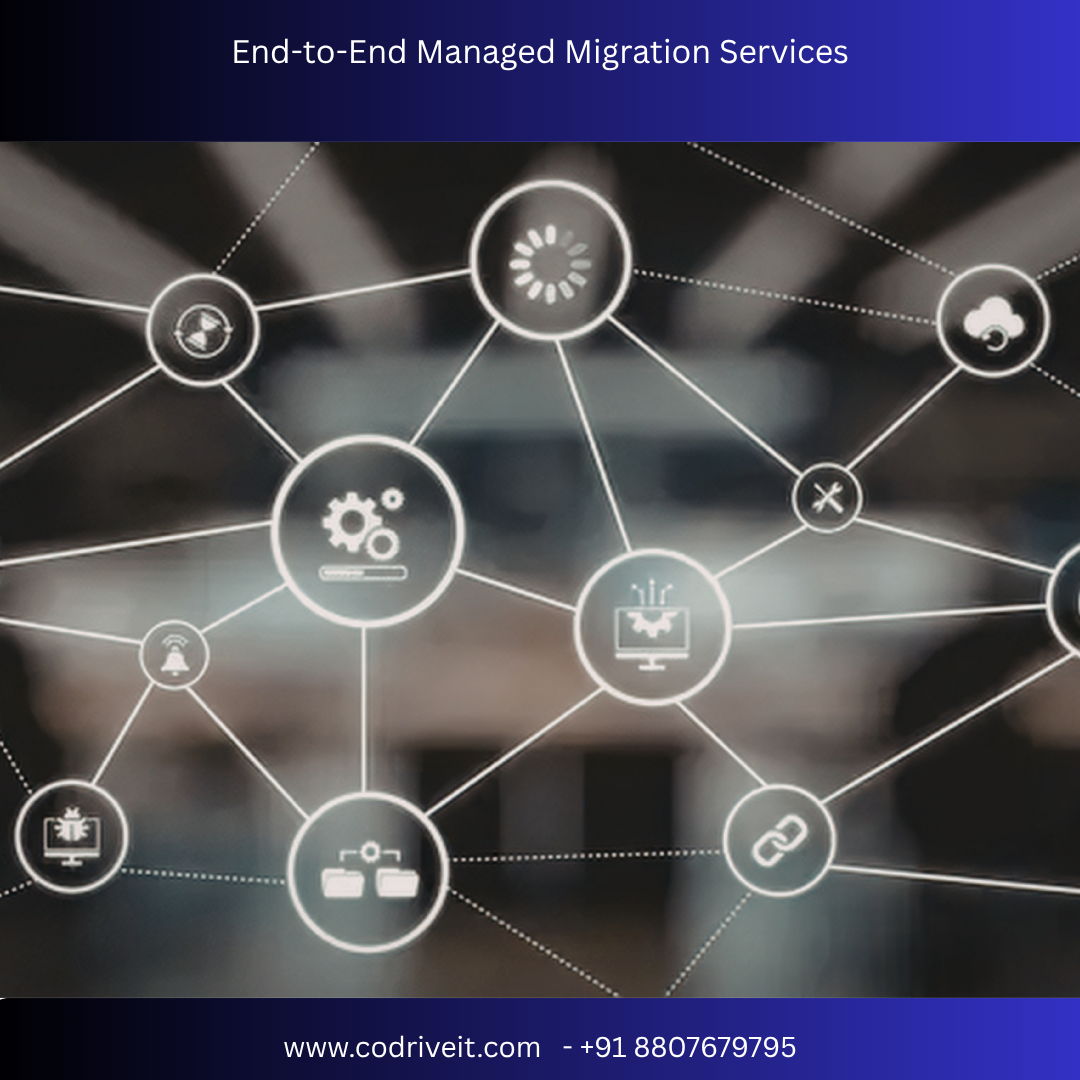
End-to-End Managed Migration Services refer to a comprehensive solution where a specialized provider handles the entire migration lifecycle—from planning and execution to monitoring and post-migration support.

These services typically include:

  • Migration strategy and consulting
  • Data extraction, transformation, and loading (ETL)
  • Application and infrastructure migration
  • Testing and validation
  • Deployment and optimization
  • Ongoing support and maintenance

The goal is to ensure a smooth, secure, and disruption-free transition.

Why Businesses Choose Managed Migration Services

Organizations opt for end-to-end migration services to:

  • Reduce complexity and risks
  • Accelerate migration timelines
  • Ensure data accuracy and integrity
  • Maintain business continuity
  • Access expert knowledge and tools

As digital transformation accelerates, outsourcing migration has become a strategic decision.

Key Benefits of End-to-End Managed Migration Services

1. Complete Ownership & Accountability

The service provider manages the entire process, ensuring responsibility at every stage.

2. Reduced Risk and Errors

Proven frameworks and experienced teams minimize data loss and system failures.

3. Faster Time-to-Market

Automation tools and expert execution speed up migration.

4. Minimal Downtime

Advanced strategies ensure near-zero disruption to operations.

5. Enhanced Security

Strong encryption, compliance protocols, and monitoring ensure data protection.

6. Scalability

Handle migrations of any size—from startups to large enterprises.

Types of Migrations Covered

1. Cloud Migration

Moving data, applications, and infrastructure to cloud platforms.

2. Database Migration

Transferring data between database systems with accuracy.

3. Application Migration

Migrating enterprise software such as ERP, CRM, and HR systems.

4. Infrastructure Migration

Upgrading servers, networks, and storage environments.

5. Data Center Migration

Relocating entire IT environments to new facilities or cloud.

End-to-End Migration Process

1. Assessment & Discovery

  • Analyze existing systems and data
  • Identify dependencies and risks
  • Define migration objectives

2. Strategy & Planning

  • Develop migration roadmap
  • Choose tools and technologies
  • Allocate resources and timelines

3. Data Preparation

  • Cleanse and validate data
  • Remove duplicates
  • Map data structures

4. Migration Execution

  • Perform secure data transfer
  • Monitor progress in real-time
  • Ensure data integrity

5. Testing & Validation

  • Verify accuracy and completeness
  • Conduct performance testing
  • Ensure system compatibility

6. Deployment & Go-Live

  • Final migration rollout
  • Monitor system performance
  • Address immediate issues

7. Post-Migration Support

  • Continuous monitoring
  • Optimization and tuning
  • Ongoing maintenance

Tools & Technologies Used

  • AWS Migration Hub
  • Azure Migrate
  • Google Cloud Migration Tools
  • Informatica
  • Talend
  • Automation and monitoring tools

Common Challenges and How Managed Services Solve Them

ChallengeManaged Service Solution
Data Loss RiskBackup and validation strategies
DowntimePhased and parallel migration
Security ConcernsEncryption and compliance frameworks
Complex SystemsExpert handling and planning
Data Quality IssuesPre-migration cleansing

Who Needs End-to-End Managed Migration Services?

These services are ideal for:

  • Enterprises undergoing digital transformation
  • Businesses migrating to cloud platforms
  • Organizations upgrading legacy systems
  • Companies handling large and complex datasets
  • Industries with strict compliance requirements

Best Practices for Successful Migration

  • Define clear migration goals
  • Choose the right service provider
  • Clean and prepare data in advance
  • Use automation tools
  • Test thoroughly before deployment
  • Monitor systems after migration

Future Trends in Managed Migration (2026)

  • AI-powered migration automation
  • Zero-downtime migration solutions
  • Real-time data synchronization
  • Multi-cloud migration strategies
  • Enhanced data governance and security

Conclusion

End-to-End Managed Migration Services provide a reliable, efficient, and secure way for businesses to transition to modern systems. By outsourcing the entire migration process, organizations can focus on growth while experts handle the complexities.

Whether you're moving to the cloud, upgrading infrastructure, or modernizing applications, managed migration services ensure a smooth and successful transformation.
About author

Minda

super admin have all rights


Comments