
Blog

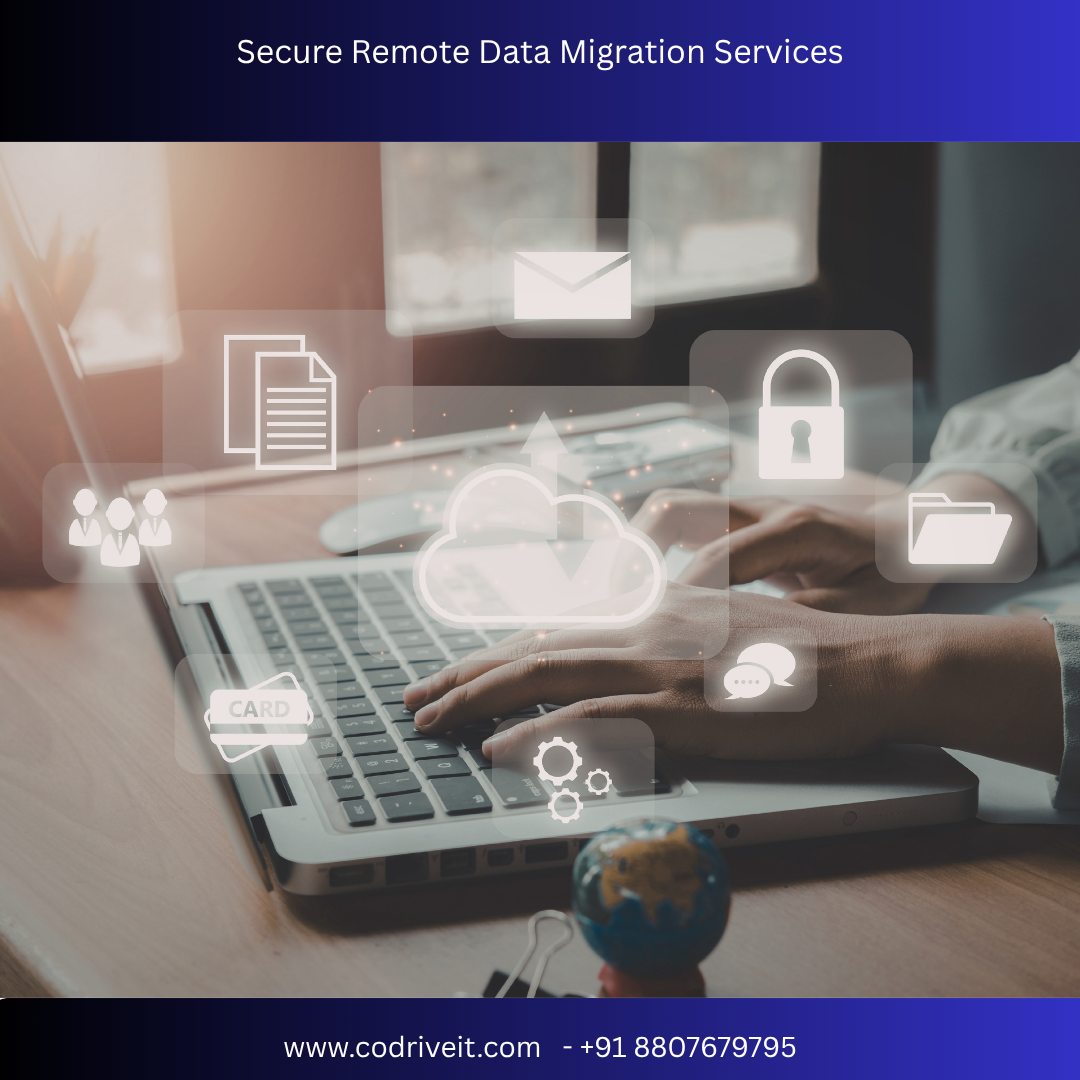
As businesses rapidly adopt cloud technologies and distributed work environments, the need for Secure Remote Data Migration Services has grown significantly. Organizations now require reliable ways to transfer sensitive data across systems, locations, and networks—without compromising security or performance.

This SEO-optimized guide explains everything about secure remote data migration, including its benefits, process, technologies, and best practices.

What Are Secure Remote Data Migration Services?

Secure Remote Data Migration Services involve transferring data between systems or environments over secure networks without requiring physical access to infrastructure. These services are designed to ensure:

  • End-to-end data encryption
  • Secure remote access
  • Minimal downtime
  • Data integrity and compliance

They are especially useful for cloud migrations, remote server transfers, and global business operations.

Why Secure Remote Data Migration Is Important

With increasing cyber threats and regulatory requirements, businesses cannot afford insecure data transfers. Secure remote migration ensures:

  • Protection against data breaches
  • Compliance with global regulations (GDPR, HIPAA, etc.)
  • Business continuity during migration
  • Safe handling of sensitive information

Key Benefits of Secure Remote Data Migration Services

1. Enhanced Data Security

Advanced encryption protocols (SSL/TLS, VPNs) protect data during transit.

2. Remote Accessibility

Migrate data from anywhere without needing physical presence.

3. Reduced Operational Costs

No need for on-site infrastructure or manual intervention.

4. Faster Migration

Automated tools and cloud-based solutions accelerate the process.

5. Scalability

Easily handle large-scale enterprise data transfers.

6. Compliance Assurance

Meet industry standards and data protection regulations.

Types of Secure Remote Data Migration

1. Cloud Migration

Securely moving data to platforms like AWS, Azure, or Google Cloud.

2. Server-to-Server Migration

Transferring data between remote servers using secure channels.

3. Database Migration

Migrating databases remotely with encryption and validation.

4. Application Migration

Moving application data between systems without local access.

5. Backup & Disaster Recovery Migration

Securely transferring backup data to remote storage systems.

How Secure Remote Data Migration Works

1. Assessment & Planning

  • Evaluate current systems and data sensitivity
  • Identify security requirements
  • Define migration strategy

2. Secure Connection Setup

  • Establish VPN or encrypted channels
  • Configure firewalls and access controls

3. Data Preparation

  • Clean and validate data
  • Remove duplicates
  • Classify sensitive data

4. Migration Execution

  • Use secure tools and protocols
  • Monitor data transfer in real-time
  • Ensure zero data loss

5. Testing & Validation

  • Verify data integrity
  • Perform security checks
  • Ensure system compatibility

6. Post-Migration Support

  • Continuous monitoring
  • Security audits
  • Performance optimization

Technologies Used in Secure Remote Migration

  • VPN (Virtual Private Network)
  • SSL/TLS Encryption
  • Secure FTP (SFTP)
  • AWS DataSync
  • Azure Migrate
  • Google Transfer Service
  • End-to-end encryption tools

Security Measures in Remote Data Migration

To ensure maximum security, providers implement:

  • Data Encryption (at rest and in transit)
  • Multi-Factor Authentication (MFA)
  • Role-Based Access Control (RBAC)
  • Audit Logs & Monitoring
  • Data Masking & Tokenization

Common Challenges and Solutions

ChallengeSolution
Network LatencyUse optimized transfer protocols
Security RisksImplement encryption and VPNs
Data LossBackup and validation processes
Compliance IssuesFollow regulatory standards
Large Data VolumesUse scalable cloud tools

Who Needs Secure Remote Data Migration Services?

These services are ideal for:

  • Enterprises adopting remote work models
  • Cloud-first organizations
  • IT service providers managing global clients
  • Healthcare and finance sectors handling sensitive data
  • E-commerce platforms scaling operations

Best Practices for Secure Remote Data Migration

  • Always encrypt data before transfer
  • Use trusted migration tools and providers
  • Perform regular security audits
  • Test migration in phases
  • Maintain backup and rollback plans
  • Monitor data transfer in real-time

Future Trends in Secure Data Migration (2026)

  • AI-powered threat detection during migration
  • Zero-trust security architecture
  • Blockchain-based data transfer verification
  • Real-time encrypted data streaming
  • Fully automated remote migration platforms

Conclusion

Secure Remote Data Migration Services are essential for modern businesses looking to move data efficiently while maintaining the highest security standards. With the right strategy, tools, and expertise, organizations can achieve seamless, risk-free data migration from anywhere in the world.
About author

Minda

super admin have all rights


Comments