
As businesses accelerate their digital transformation journeys, data migration trends in 2026 are evolving rapidly. With the rise of cloud computing, AI, and real-time analytics, organizations must adopt smarter, faster, and more secure migration strategies.
In this SEO-optimized guide, we explore the latest data migration trends, technologies shaping the future, and how businesses can stay ahead in 2026.
Data migration is the process of transferring data between systems, formats, or environments, such as moving from on-premise infrastructure to cloud platforms or upgrading legacy systems.
Keeping up with the latest trends helps businesses:
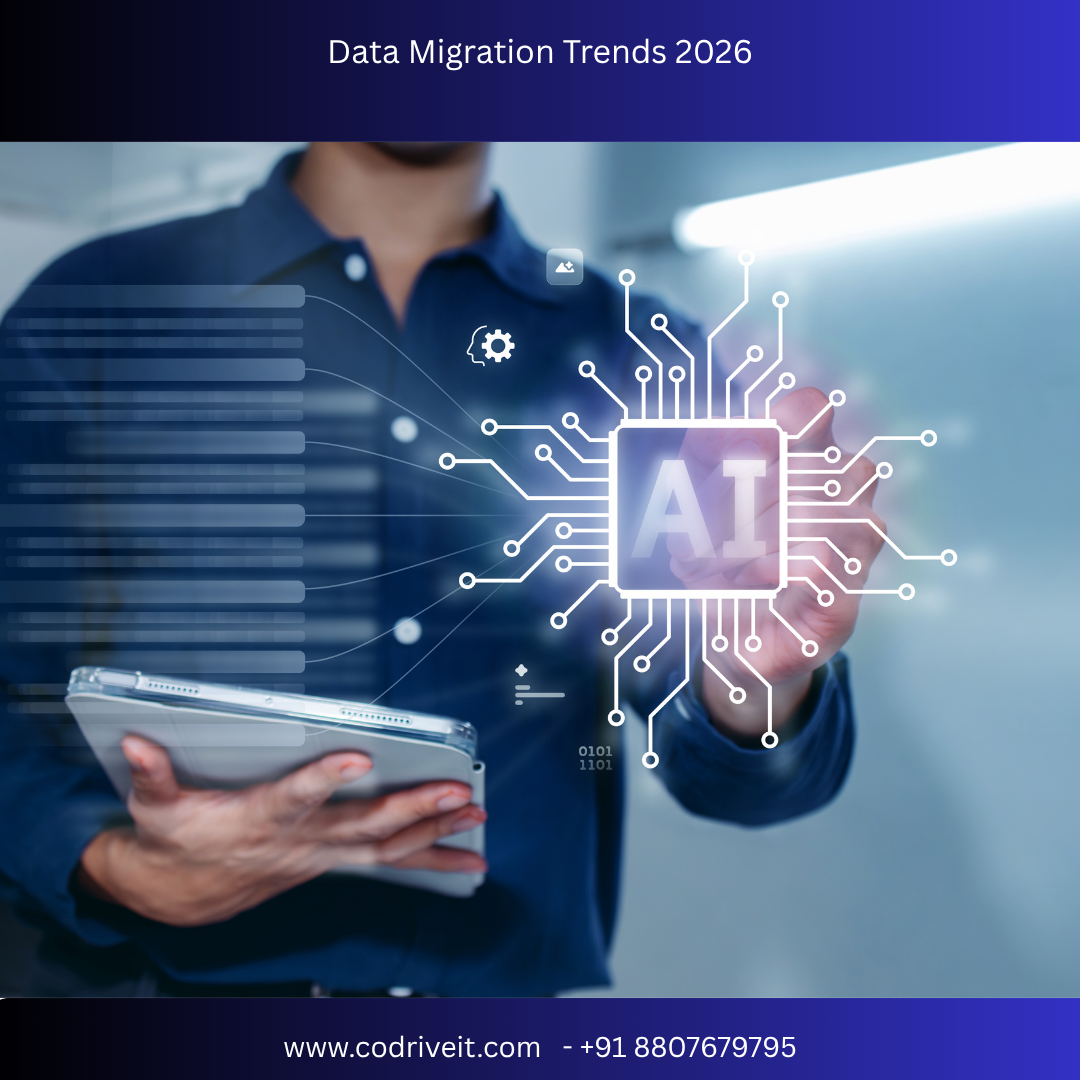
Artificial Intelligence is transforming how data is migrated:
Companies are leveraging AI tools to reduce manual effort and improve accuracy.
Organizations are no longer relying on a single cloud provider. Instead, they use:
Popular platforms include Amazon Web Services, Microsoft Azure, and Google Cloud Platform.
Why it matters:
Businesses now demand zero downtime and instant data availability.
Key features:
Instead of simply moving applications, companies are:
This enables better scalability and performance.
With stricter regulations, organizations prioritize:
Security is now a core part of migration strategy, not an afterthought.
Automation tools are becoming essential:
This trend significantly accelerates migration timelines.
Modern enterprises are adopting:
These approaches improve data accessibility and governance.
With IoT and real-time applications, data is increasingly processed at the edge:
Migration strategies now include edge-to-cloud data movement.
Organizations are focusing on eco-friendly IT practices:
Cloud providers are investing in sustainable infrastructure.
Customized migration strategies are emerging for:
These solutions address industry-specific compliance and operational needs.
Despite advancements, businesses still face:
To leverage these trends effectively:
Reduce manual effort and errors.
Avoid dependency on a single provider.
Implement strong encryption and compliance measures.
Ensure accuracy and performance before go-live.
Upskill employees or partner with experts.
Looking ahead, we can expect:
The data migration trends in 2026 highlight a shift toward automation, intelligence, and flexibility. Businesses that embrace these trends will gain a competitive advantage through faster operations, better insights, and improved customer experiences.
Whether you're planning a migration or optimizing an existing strategy, staying aligned with these trends is key to long-term success.