
Many organizations still rely on legacy databases that were built years ago using outdated technologies. While these systems may continue to support business operations, they often limit scalability, performance, and integration with modern applications. As businesses adopt cloud computing, advanced analytics, and modern software platforms, legacy database migration has become a critical step in digital transformation.
However, migrating data from legacy databases to modern systems is a complex process that comes with several challenges. In this blog, we will explore the most common legacy database migration challenges, their impact on organizations, and strategies to overcome them.
Legacy database migration refers to the process of transferring data from outdated database systems to modern databases, cloud platforms, or enterprise applications. The goal is to improve system performance, enhance scalability, and enable better data management.
Migration may involve:
Moving data to cloud-based databases
Upgrading outdated database systems
Consolidating multiple legacy databases
Migrating databases to modern enterprise platforms
This process allows organizations to modernize their IT infrastructure and support advanced digital capabilities.
Legacy databases often struggle to handle growing volumes of data. Modern databases provide better scalability and faster performance.
Maintaining legacy database systems can be expensive due to outdated hardware, licensing costs, and limited technical support.
Modern database platforms support big data processing, artificial intelligence, and machine learning capabilities.
Legacy systems may lack modern security features, making them vulnerable to cyber threats.
Many organizations migrate databases to the cloud to take advantage of flexible infrastructure and improved reliability.
Legacy databases often use outdated data formats and structures that are incompatible with modern systems. This may require extensive data transformation and mapping before migration.
Over time, legacy systems may accumulate inaccurate, incomplete, or duplicate data. Poor data quality can cause serious issues during migration.
Common data quality problems include:
Duplicate records
Missing data fields
Inconsistent formats
Outdated data entries
Data cleansing is necessary to ensure successful migration.
Legacy databases often have complex schemas and tightly coupled data relationships. Migrating such structures to modern databases can be challenging and time-consuming.
Many legacy systems store years of historical data. Migrating large datasets requires careful planning to avoid performance issues and downtime.
Legacy databases are often closely integrated with existing applications. Changes in database structure can affect application functionality.
Organizations must identify and manage these dependencies during migration.
During migration, systems may need to be temporarily unavailable. Downtime can disrupt business operations and impact customer services.
Proper planning is required to minimize downtime.
Sensitive business data must remain secure during the migration process. Organizations must also comply with regulatory requirements related to data protection.
Many legacy systems lack proper documentation, making it difficult for IT teams to understand the database structure and migration requirements.
Organizations may struggle to find experts who understand both legacy systems and modern database technologies.
This knowledge gap can slow down migration projects.
Organizations should thoroughly analyze the existing database environment, including:
Data structure and schema
Data volume and quality
Application dependencies
Security requirements
This assessment helps identify potential migration challenges early.
Before migration, data should be cleaned and optimized by:
Removing duplicate records
Correcting errors
Standardizing data formats
High-quality data improves migration accuracy.
Organizations can choose from different migration approaches such as:
Database rehosting
Database replatforming
Database refactoring
Database replacement
The choice depends on business goals and technical requirements.
Automated migration tools help streamline data transfer, reduce manual errors, and accelerate the migration process.
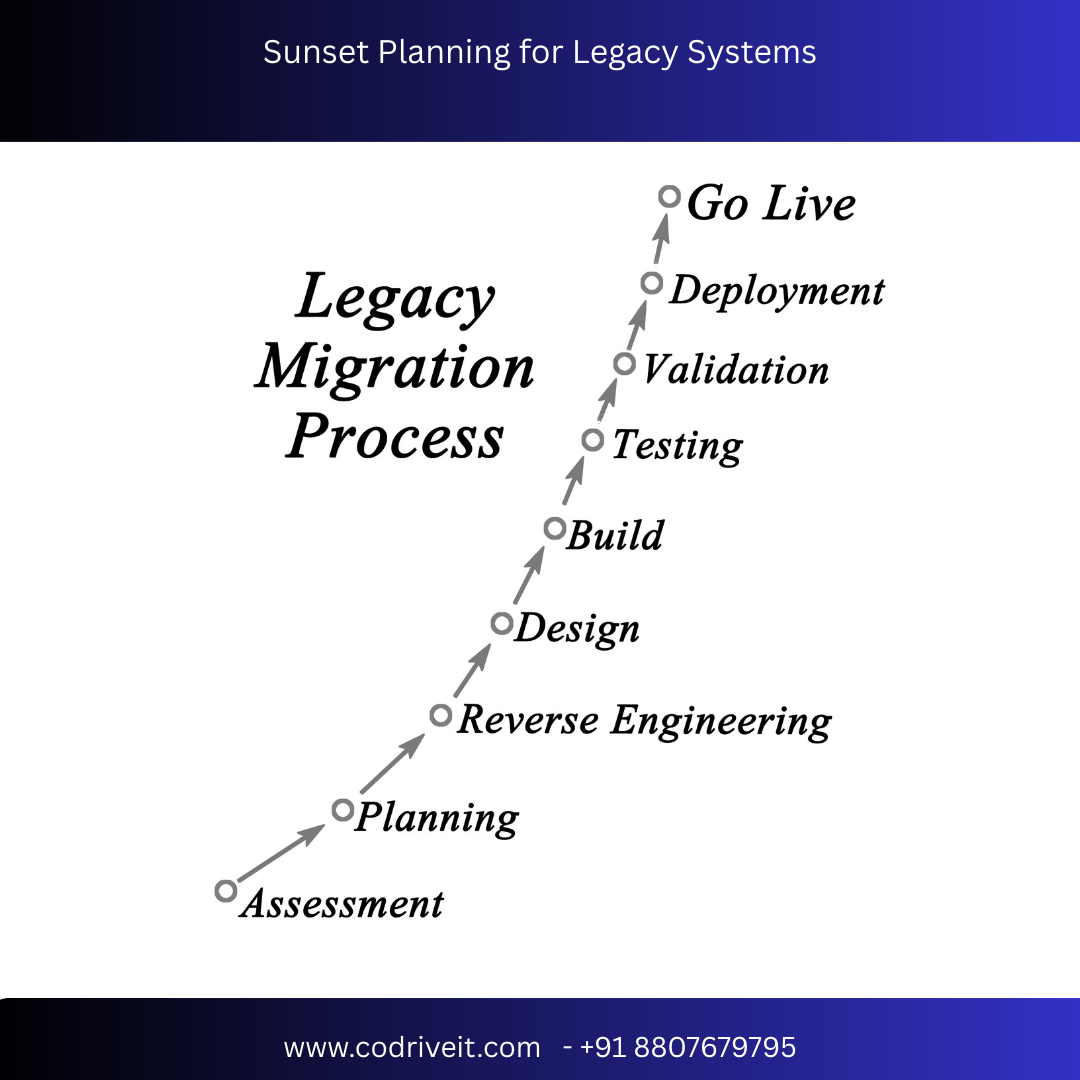
Migrating data in phases reduces risks and allows teams to validate results at each stage.
Testing ensures that:
Data integrity is maintained
Applications work correctly with the new database
Performance meets expectations
Testing should include functional, performance, and security validation.
After migration, organizations should continuously monitor system performance and optimize database configurations.
A detailed migration roadmap helps teams manage complex migration processes effectively.
Focus first on business-critical datasets to ensure operational continuity.
Use encryption, secure access controls, and monitoring systems to protect sensitive data during migration.
Documenting the migration process helps organizations manage future upgrades and maintenance.
Providing training ensures teams can effectively manage modern database platforms.
Organizations that successfully migrate legacy databases gain several benefits:
Faster data processing and performance
Reduced infrastructure costs
Improved data accessibility
Enhanced security and compliance
Better integration with modern applications
Support for advanced analytics and innovation
These benefits help organizations remain competitive in the digital economy.
Modern technologies are transforming database migration strategies. Emerging trends include:
AI-powered migration tools
Automated data transformation systems
Cloud-native database platforms
Real-time data migration solutions
These innovations help simplify complex migration projects.
Legacy database migration is an essential step for organizations looking to modernize their IT infrastructure and improve data management capabilities. Although the migration process presents several challenges, careful planning, data preparation, and the use of modern migration tools can help organizations overcome these obstacles.
By addressing legacy database migration challenges effectively, businesses can unlock the full potential of modern data platforms and support long-term digital transformation.