
In today’s digital ecosystem, organizations continuously transfer sensitive data between systems, cloud platforms, third-party vendors, and remote teams. Without secure data transfer protocols, this information becomes vulnerable to cyberattacks, data breaches, and compliance violations.
This comprehensive SEO-optimized guide explains the most secure data transfer protocols, how they work, and how to choose the right one for your business.
When data moves across networks, it can be intercepted through:
Man-in-the-middle (MITM) attacks
Packet sniffing
DNS spoofing
Unsecured public Wi-Fi
Using encrypted protocols ensures:
🔐 Confidentiality
🛡 Data integrity
👤 Authentication
📜 Regulatory compliance
Secure transfer protocols are essential for industries like banking, healthcare, SaaS, and government.
Secure data transfer protocols are communication standards that use encryption and authentication mechanisms to protect data while in transit.
They prevent unauthorized access, tampering, and data leaks during transmission over public or private networks.
4
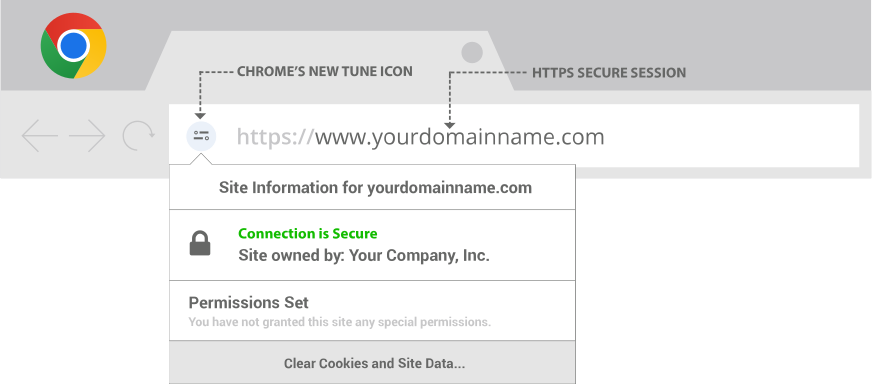
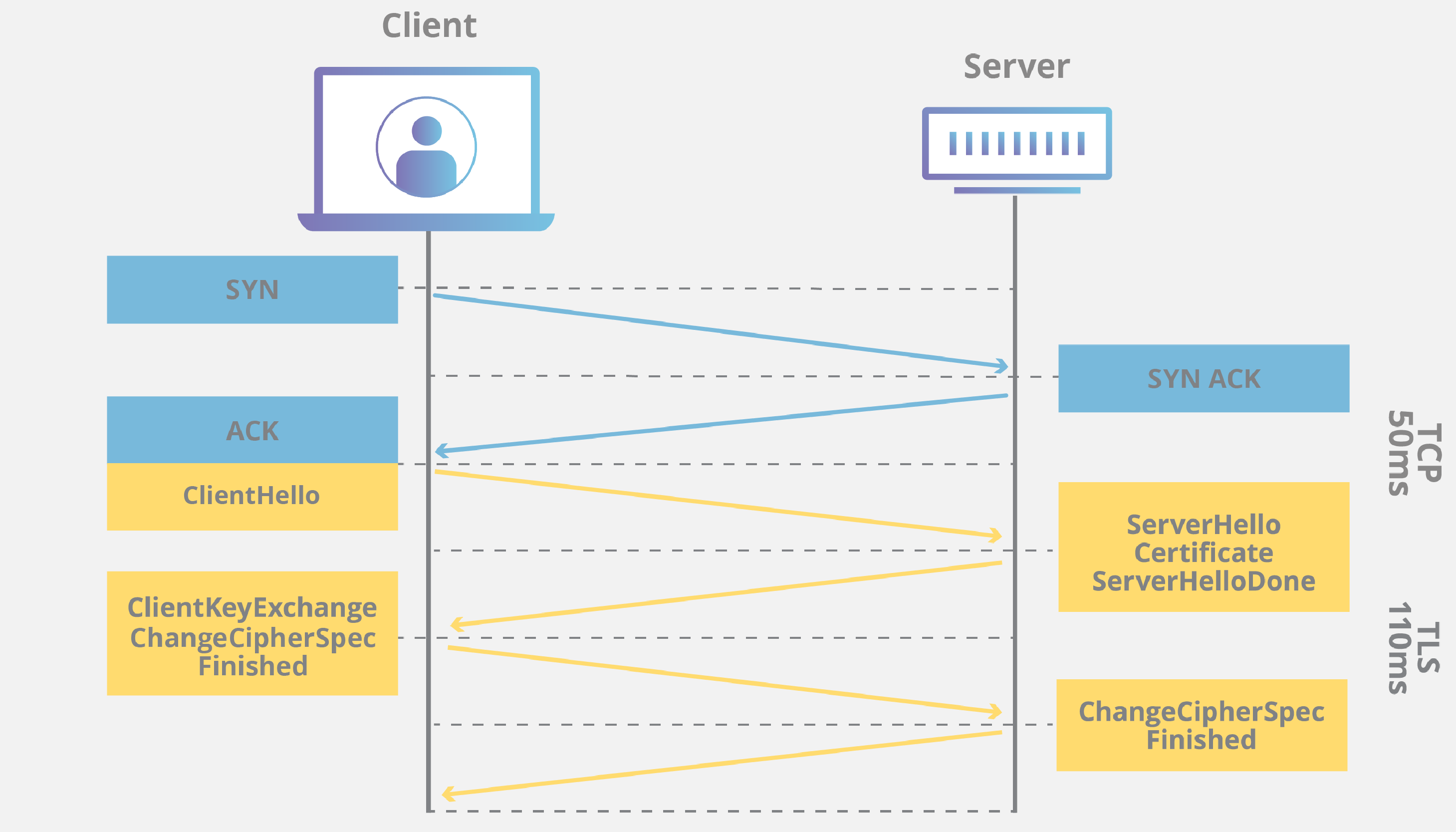
HTTPS is the secure version of HTTP. It uses SSL/TLS encryption to secure web traffic.
SSL (Secure Sockets Layer)
Transport Layer Security
Websites
Web applications
APIs
E-commerce platforms
✔ Encrypts browser-to-server communication
✔ Ensures certificate-based authentication
✔ Protects login credentials and payment data
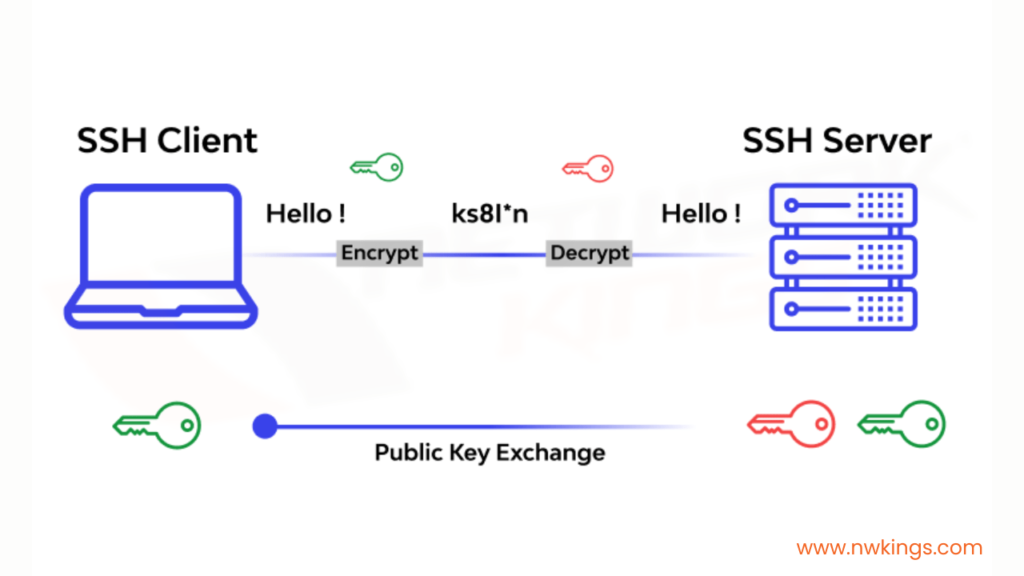
SFTP operates over SSH (Secure Shell) and encrypts both commands and data.
Secure Shell
Secure file sharing
Enterprise data exchange
Server backups
Database exports
✔ Strong encryption
✔ Authentication via SSH keys
✔ Firewall-friendly
FTPS adds SSL/TLS encryption to traditional FTP.
Businesses upgrading from legacy FTP
Secure file transfer over SSL
Less firewall-friendly than SFTP due to multiple ports.
SCP also runs over SSH and allows secure file transfers between hosts.
Quick server-to-server file transfers
IT infrastructure operations
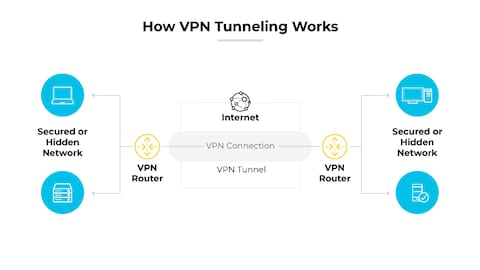

A VPN creates an encrypted tunnel between devices and networks.
Remote employees
Cross-border data transfers
Secure internal communications
VPNs encrypt all traffic, not just specific files.
AS2 is widely used in EDI (Electronic Data Interchange).
B2B data exchange
Supply chain communications
Industries like retail and logistics rely heavily on AS2.
| Protocol | Encryption | Best Use Case | Security Level |
|---|---|---|---|
| HTTPS | SSL/TLS | Web & APIs | High |
| SFTP | SSH | File transfer | Very High |
| FTPS | SSL/TLS | FTP upgrade | High |
| SCP | SSH | Server copy | Very High |
| VPN | Encrypted tunnel | Remote access | High |
| AS2 | SSL/TLS | B2B exchange | High |
Prevents unauthorized reading of data.
Verifies sender and receiver identities.
Ensures data isn’t altered during transmission.
Allows secure operation within enterprise networks.
Always use TLS 1.2 or higher.
Adds an extra security layer.
Avoid:
Plain FTP
HTTP
Telnet
Prevents brute-force attacks.
Expired SSL certificates can cause vulnerabilities.
Track unusual activity in real-time.
Secure transfer protocols help organizations comply with:
General Data Protection Regulation
Health Insurance Portability and Accountability Act
Payment Card Industry Data Security Standard
ISO/IEC 27001
Using encrypted protocols reduces legal risk and ensures secure cross-border data transmission.
❌ Using outdated SSL versions
❌ Hardcoding credentials
❌ Sharing SSH keys insecurely
❌ Ignoring certificate expiry
❌ Using public Wi-Fi without VPN
Security is only as strong as its weakest link.
When transferring data to cloud platforms:
Enable TLS for all endpoints
Use secure APIs
Configure role-based access control (RBAC)
Encrypt backups
Audit cloud logs
Most major cloud providers support end-to-end encryption by default—but configuration is essential.
Emerging technologies include:
Zero Trust Architecture
Quantum-resistant encryption
Blockchain-based file verification
AI-driven anomaly detection
As cyber threats evolve, secure transfer protocols will continue to advance.
Secure data transfer protocols are fundamental for protecting sensitive information in today’s connected world. Whether you're handling web traffic, enterprise file transfers, remote access, or B2B exchanges, choosing the right encrypted protocol is critical.
By implementing HTTPS, SFTP, VPNs, and strong encryption standards, businesses can ensure data confidentiality, integrity, and compliance.
Investing in secure data transmission is not optional — it’s a strategic cybersecurity necessity.