
Migrating large databases is one of the most complex and high-risk initiatives in IT transformation. Whether you're moving from on-premise infrastructure to the cloud, upgrading legacy systems, or consolidating multiple databases, large database migration challenges can significantly impact business continuity, performance, and data integrity.
In this SEO-optimized guide, we’ll explore the major challenges of large database migration, practical solutions, best practices, and tools to ensure a smooth transition.
Large database migration refers to transferring massive datasets — often terabytes or petabytes — from one database platform, environment, or infrastructure to another.
Common migration scenarios include:
On-premise to cloud migration
Legacy database modernization
Cross-platform migration (e.g., from Oracle Database to MySQL)
Data center consolidation
ERP system upgrades
For enterprises relying on mission-critical systems, even minor errors can cause operational disruptions.
Migrating terabytes of data requires significant bandwidth, storage planning, and processing power.
Long migration windows
Network bottlenecks
Storage overflow
Increased infrastructure costs
Use incremental migration strategies
Implement Change Data Capture (CDC)
Compress data during transfer
Schedule migration during low-traffic hours
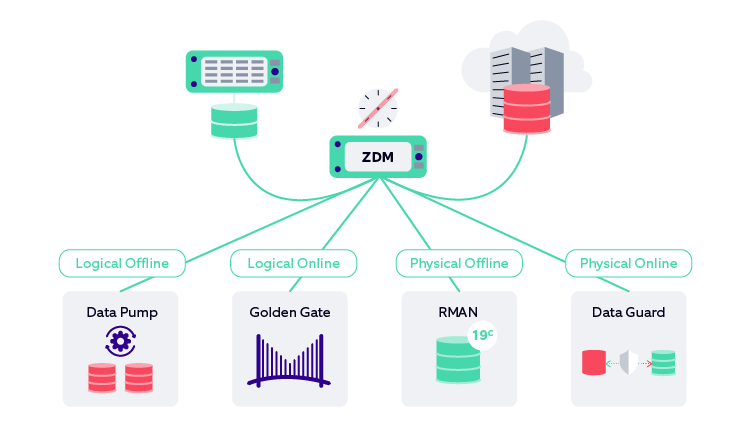
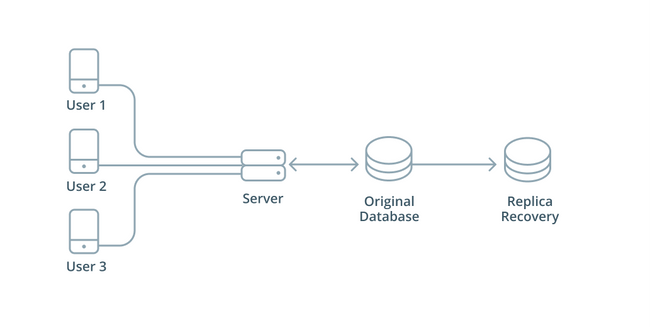
Large databases often support 24/7 business applications. Any downtime can impact revenue and customer experience.
Use replication-based migration
Implement blue-green deployment
Perform parallel testing before cutover
Keep rollback strategy ready
Organizations migrating to managed cloud platforms like Amazon Aurora or Azure SQL Database often adopt zero-downtime strategies.
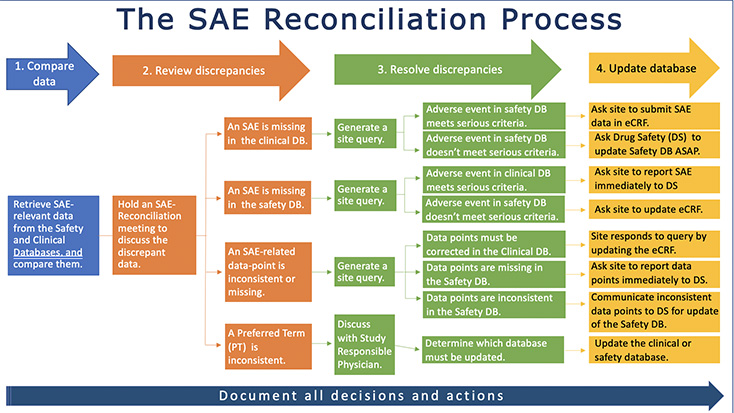
Data corruption, missing records, or schema mismatches can occur during migration.
Character encoding differences
Schema incompatibility
Data type conflicts
Incomplete replication
Run automated validation scripts
Perform row-level comparison
Conduct reconciliation testing
Validate business rules
Tools like AWS Database Migration Service and Oracle GoldenGate help maintain consistency.
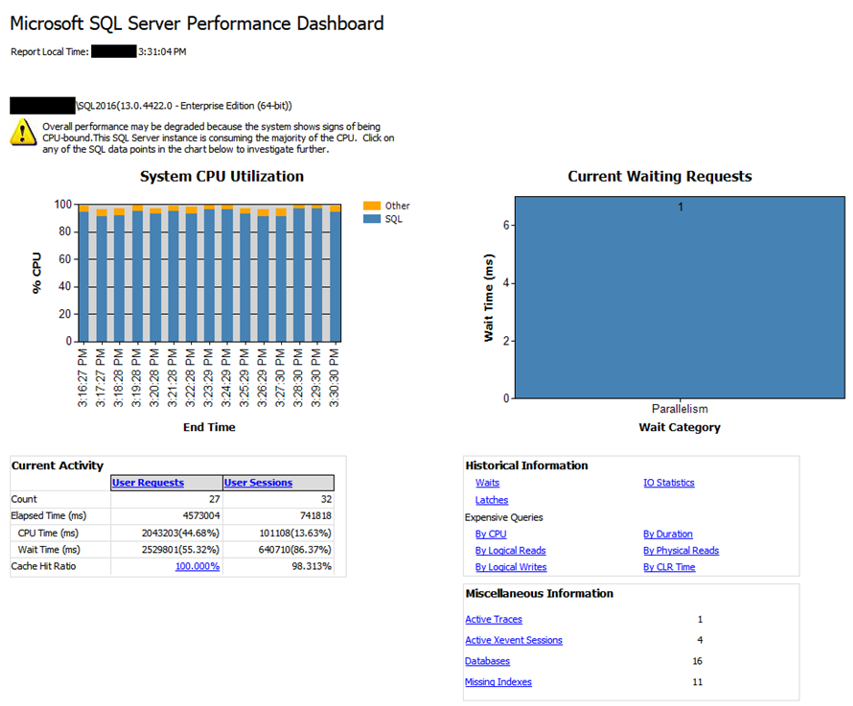

Post-migration, applications may experience slow queries, indexing issues, or latency.
Improper indexing
Unoptimized queries
Hardware differences
Network latency
Conduct performance benchmarking
Optimize indexes and queries
Adjust database configurations
Use monitoring tools
Migrating between different database engines may introduce compatibility issues.
For example:
Stored procedure differences
Syntax variations
Indexing methods
Trigger behavior
Perform schema assessment
Use automated conversion tools
Refactor legacy code
Conduct application-level testing
Cross-platform migrations such as Microsoft SQL Server to PostgreSQL require careful planning.
Sensitive data must remain secure during transfer and storage.
Data breaches
Compliance violations
Unauthorized access
Encryption failures
Encrypt data in transit and at rest
Apply role-based access control
Follow compliance frameworks
Conduct security audits
Large database projects often exceed estimated timelines due to:
Underestimated data complexity
Insufficient testing
Resource constraints
Unexpected performance issues
Conduct detailed assessment
Create phased roadmap
Allocate dedicated migration team
Monitor progress in real time
✔ Conduct pre-migration assessment
✔ Cleanse and archive unnecessary data
✔ Choose the right migration strategy
✔ Automate validation and testing
✔ Monitor performance continuously
✔ Maintain clear stakeholder communication
| Tool | Best Use Case | Key Feature |
|---|---|---|
| AWS Database Migration Service | Cloud migrations | Managed replication |
| Azure Database Migration Service | Microsoft ecosystem | Azure integration |
| Google Cloud Database Migration Service | GCP migrations | Cloud SQL support |
| Oracle GoldenGate | Enterprise replication | High availability |
Analyze data volume, complexity, dependencies, and risks.
Choose between big bang, phased, replication-based, or hybrid migration.
Configure target infrastructure and security.
Perform bulk transfer and enable real-time synchronization.
Ensure integrity, performance, and application compatibility.
Switch traffic and continuously monitor performance.
Large database migration challenges can be complex, but with the right planning, tools, and strategy, enterprises can successfully modernize their data infrastructure.
From handling massive data volumes to ensuring zero downtime and maintaining compliance, a structured approach minimizes risks and maximizes success.
If your organization is planning a large-scale database migration, investing in proper assessment, automation, and expert guidance will ensure a seamless, secure, and scalable transformation.