
In today’s 24/7 digital economy, businesses cannot afford system outages. Whether you're upgrading infrastructure, moving to the cloud, or modernizing legacy systems, zero-downtime database migration ensures continuous availability, uninterrupted user experience, and business continuity.
In this comprehensive guide, we’ll explore proven zero-downtime database migration methods, tools, best practices, and strategies to ensure a smooth transition.
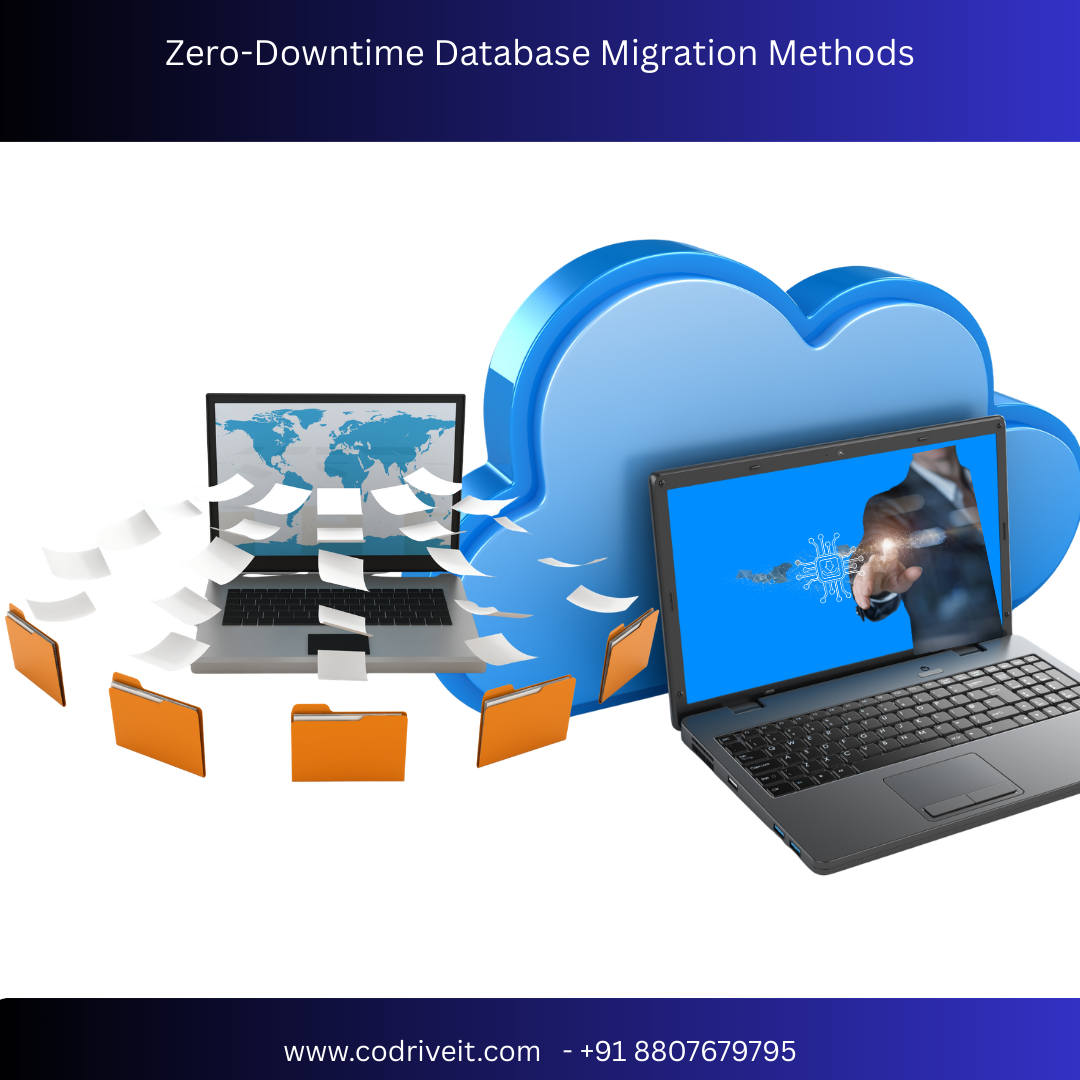
Zero-downtime database migration is the process of transferring data from one database system to another without interrupting application availability or impacting end users.
This is especially critical for:
E-commerce platforms
Banking and financial services
SaaS applications
Healthcare systems
ERP systems
Real-time analytics platforms
Downtime can result in revenue loss, customer dissatisfaction, and operational risks — making zero-downtime migration a strategic necessity.
🚀 Continuous business operations
🔒 Improved customer trust
📈 No revenue loss due to outages
🛡 Reduced migration risks
🌐 Better user experience
Organizations migrating from legacy systems like Oracle Database or Microsoft SQL Server to modern platforms such as Amazon Aurora or Google Cloud SQL increasingly rely on zero-downtime strategies.

4
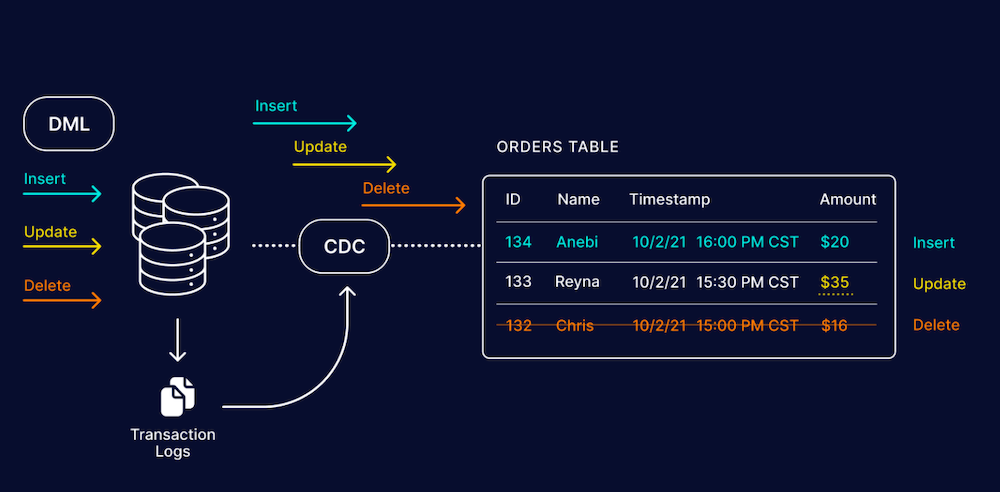
Change Data Capture tracks real-time changes (inserts, updates, deletes) in the source database and replicates them continuously to the target database.
Perform an initial bulk data load
Capture ongoing changes via logs
Apply changes to the target system
Switch applications to the new database
Minimal downtime
Real-time synchronization
Ideal for large datasets
AWS Database Migration Service
Debezium
Oracle GoldenGate
You maintain two environments:
Blue → Current production
Green → New migrated environment
After full synchronization and testing, traffic is switched to the Green environment instantly.
Instant rollback capability
Reduced migration risk
Controlled cutover
This method works well when migrating databases supporting applications built on modern cloud infrastructure like Kubernetes.
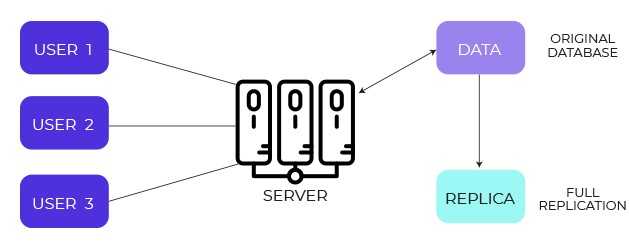
Replication creates a synchronized copy of your production database in real-time.
Types of Replication:
Logical Replication
Physical Replication
Master-Slave Replication
Multi-Master Replication
Continuous data availability
Minimal service interruption
Suitable for cloud migrations
For example, replication is commonly used when migrating from on-premise MySQL to managed cloud services like Azure SQL Database.
The application writes simultaneously to both old and new databases during migration.
No data loss
Safe transition
Progressive cutover
⚠ Requires strong consistency validation and careful conflict management.
Data is migrated in controlled batches instead of one large transfer.
Reduced risk
Easier validation
Better performance management
This method is ideal for large enterprises with multi-terabyte databases.
Evaluate database size and complexity
Identify dependencies
Perform schema compatibility analysis
Configure target database
Ensure network and security alignment
Bulk migrate historical data
Enable CDC or replication
Data integrity checks
Performance benchmarking
Application testing
Switch traffic
Monitor performance
Keep rollback plan ready
Data consistency issues
Schema mismatches
Latency during synchronization
Application compatibility issues
Unexpected performance bottlenecks
Proactive monitoring and automated validation scripts are essential to mitigate risks.
✔ Always maintain a rollback plan
✔ Test in staging before production
✔ Monitor replication lag
✔ Use automation wherever possible
✔ Communicate with stakeholders
✔ Perform post-migration validation
Zero-downtime database migration is no longer optional — it’s a competitive advantage. By leveraging strategies like Change Data Capture, replication, blue-green deployment, and phased migration, businesses can modernize their data infrastructure without impacting operations.
Whether migrating from legacy systems or moving to cloud-native platforms, choosing the right method and tools ensures a seamless, secure, and scalable transition.